-1.png?w=1662&h=442)

Chinese tea, one of the world’s oldest beverages, carries thousands of years of history, culture, and wisdom. It is not just a drink, but a way of life—a philosophy of harmony with nature. From the lush tea gardens to the fragrant brew in your cup, every leaf undergoes a carefully crafted journey. Today, let’s dive into the tea-making process and uncover the craftsmanship and natural beauty behind each step.
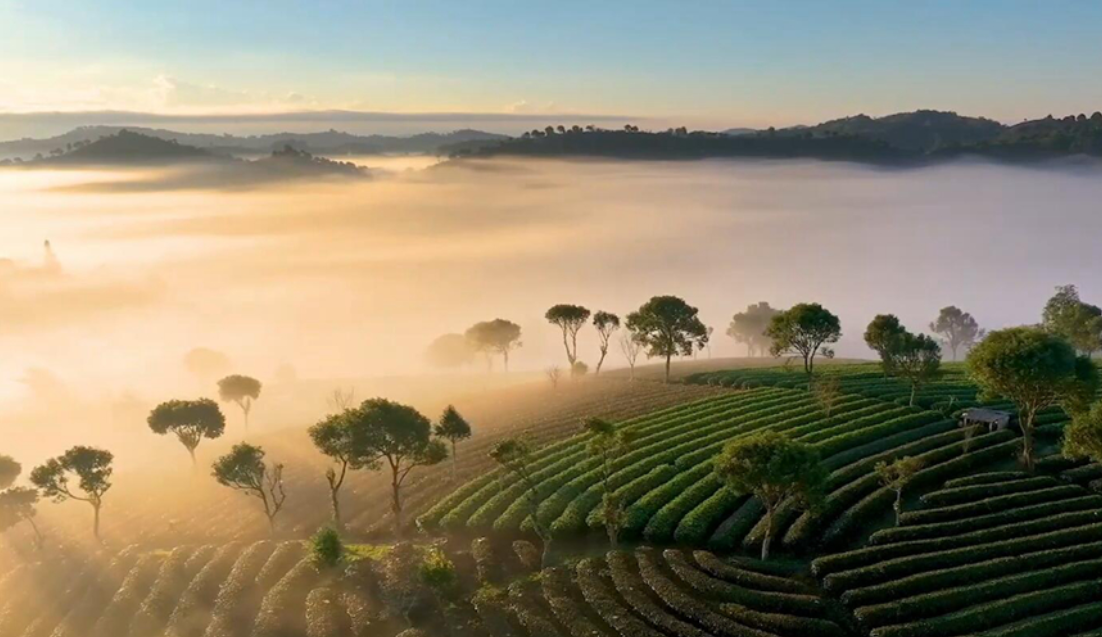
Step 1: Careful Selection — Tea Harvesting
The very first and most crucial step is harvesting. Standards vary depending on the type of tea, the season, and the desired quality. Skilled tea pickers usually harvest in the early morning or evening, when the leaves are at their freshest, ensuring each leaf contains the essence of nature. For example, premium black teas often require “one bud with one leaf” or “one bud with two leaves.” The precision of harvesting directly influences the taste and aroma of the final tea.
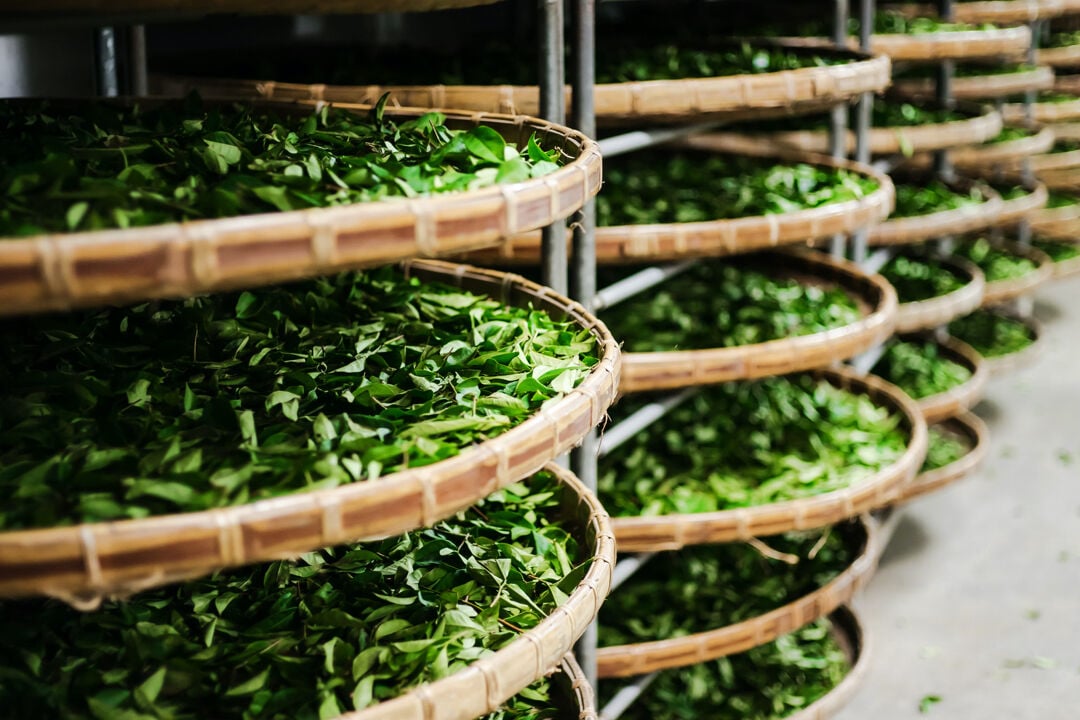
Step 2: Gentle Breathing — Withering
Freshly plucked leaves cannot be processed right away. They first need a “breathing” stage—known as withering. This step allows moisture to evaporate evenly, softening the leaves and preparing them for rolling. At the same time, enzyme activity triggers a series of chemical changes, laying the foundation for flavor development. Depending on the tea type and climate, withering may be done indoors or under the sun. During this process, grassy notes fade while tea fragrance begins to emerge.
Step 3: Shaping and Enhancing — Rolling
Rolling is a key step in shaping the leaves and bringing out their aroma. Traditionally done by hand, it is now mostly mechanized. By gently breaking the cell walls, rolling releases tea juices that interact with oxygen. This encourages polyphenol oxidation, producing the tea’s signature colors and flavors, while also shaping the leaves into tight curls that brew evenly. The strength and timing of rolling must be carefully controlled to ensure quality.
Step 4: Flavor Transformation — Fermentation
Fermentation, unique to black tea and some oolong teas, is vital for developing their distinct color and flavor. Under the right conditions of temperature, humidity, and oxygen, polyphenols oxidize into theaflavins and thearubigins, giving the tea its bright red liquor and rich taste. The degree of fermentation is critical—too light, and the tea is weak; too heavy, and it loses freshness. Experienced tea masters rely on aroma and leaf color to judge the perfect balance.
Step 5: Locking in Aroma — Firing
Firing is the final stage, where high heat halts enzymatic activity and stabilizes the tea’s quality. It also reduces moisture to safe storage levels and enhances aroma and body. Firing usually involves two phases: initial high-temperature baking, followed by slower, lower-heat drying. This ensures the leaves are evenly dried inside and out. Once fired, the tea carries a rich fragrance, stable quality, and can be stored for long periods.
Conclusion: The Craft and Nature in Every Cup
From garden to cup, every sip of tea embodies both nature’s gift and the tea maker’s craftsmanship. Harvesting, withering, rolling, fermenting, and firing—all steps are indispensable, working in harmony to create the endless variety of flavors and aromas in tea. To savor fine tea is not only a delight for the senses but also an appreciation of tradition and gratitude for nature’s bounty. We hope this article deepens your understanding of Chinese tea and enriches your future tea experiences with a sense of heritage and authenticity.