-1.png?w=1662&h=442)
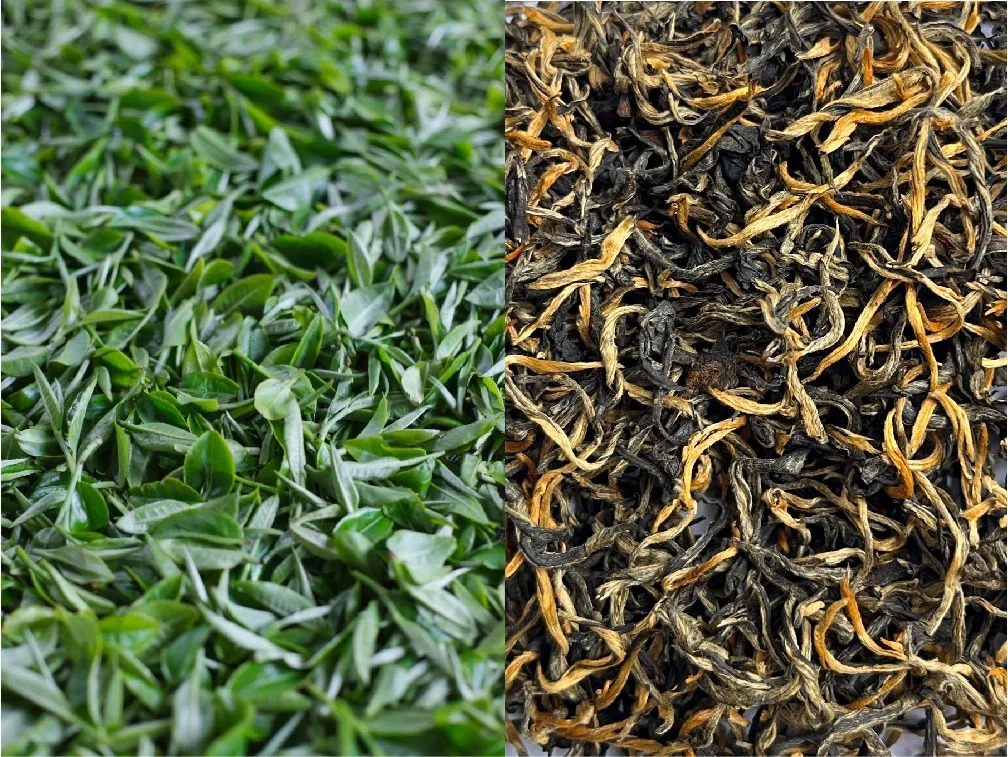
Yinghong No. 9 Black Tea is a premium Chinese black tea renowned for its unique flavor and exquisite production process. The crafting of this tea is meticulous and complex, with each step playing a crucial role in determining the final quality of the leaves. If you're interested in exploring how it transforms from fresh tea leaves to the finished product, below is a brief overview of its production process.
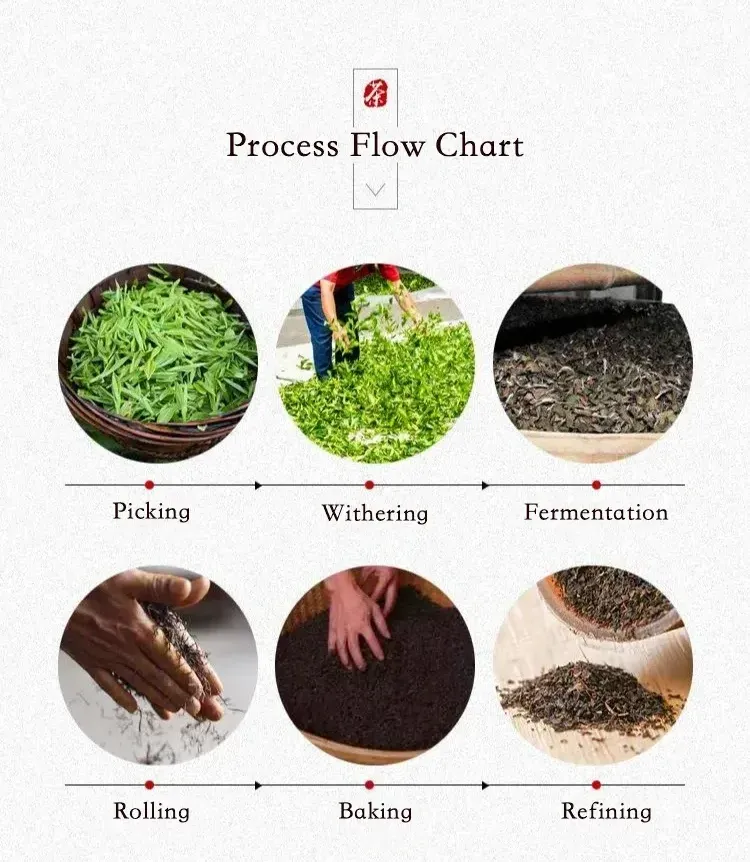
First Step: Picking
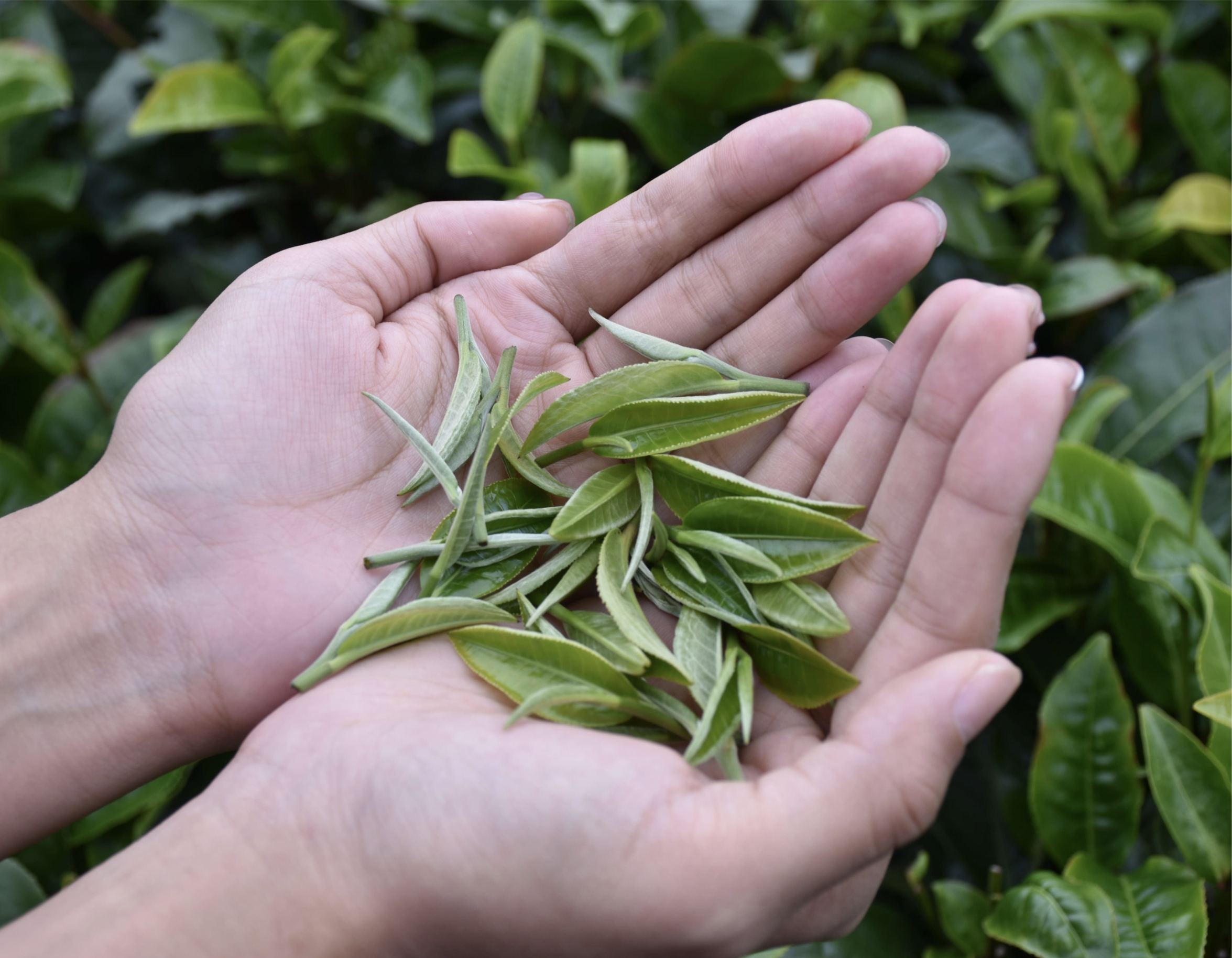
The picking standards vary depending on the tenderness of the leaves and the season.
- Jin Hao: Single buds are selected before the Qingming Festival, with scattered bud heads not exceeding 5%, and leaf stems not exceeding 0.5 cm.
- Jin Mao Hao: One bud and one leaf at the initial unfolding stage are used, with more than 90% consisting of one bud and one leaf, and leaf stems not exceeding 0.5 cm.
- Jin Ying Hong: Tea leaves with one bud and two leaves at the initial unfolding stage are picked before April 31st of the year, with more than 80% being one bud and two leaves.
- Yinghong No. 9: Tea leaves with one bud and two leaves at the initial unfolding stage after spring are used as raw material.
Second Step: Withering
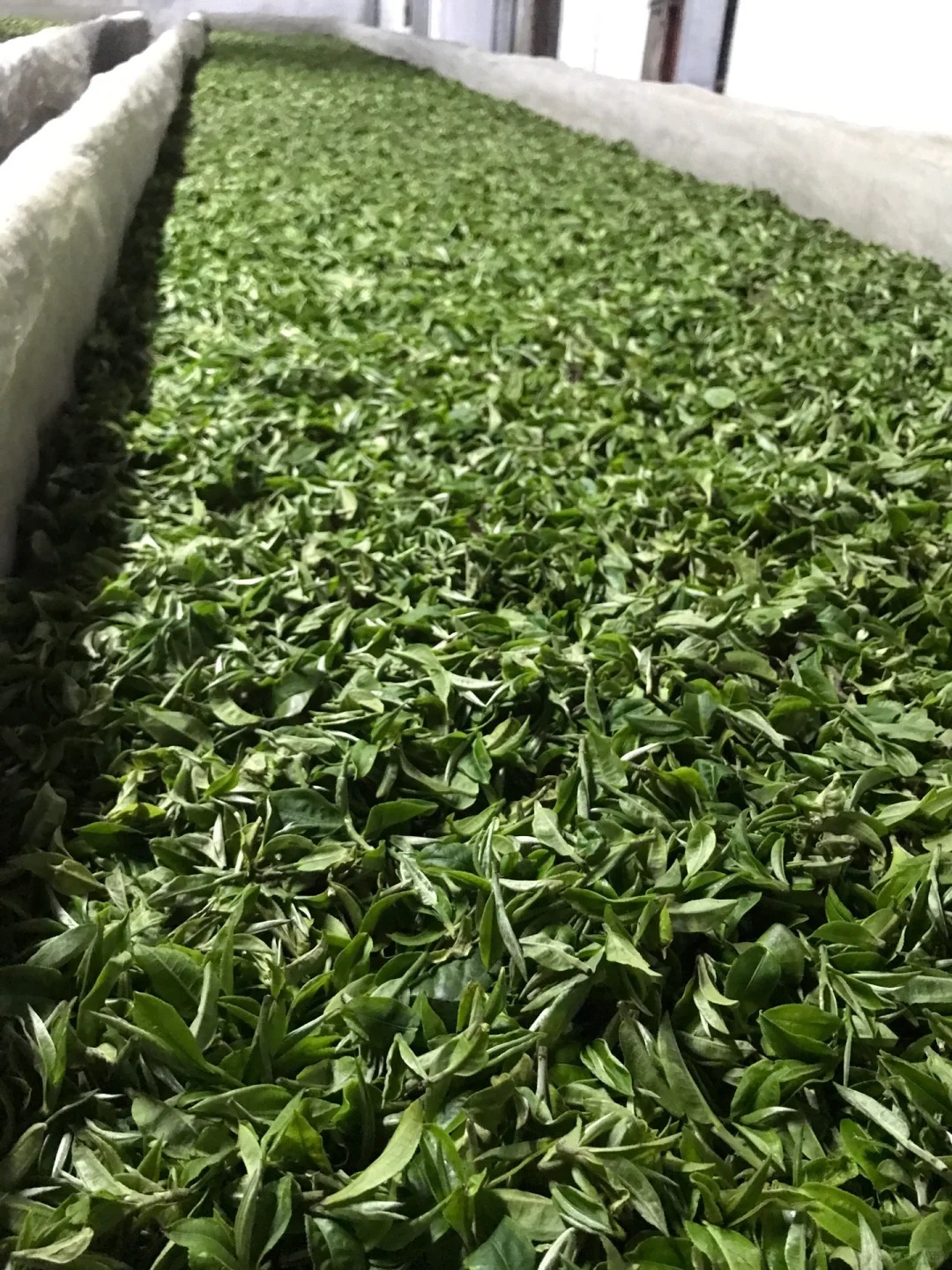
Withering is performed to evenly remove some moisture from the fresh leaves, reducing cell turgor and softening the leaves to facilitate rolling, thus creating the physical conditions for kneading. Additionally, it causes water loss, concentrating the leaf cells, increasing enzyme activity, and altering internal substances to establish the chemical conditions for fermentation. It also helps dissipate the green grass smell and develop the tea’s aroma.
Withering Time
- Spring tea: 8–14 hours
- Summer and autumn tea: 8–10 hours
- Process: Leaves of different quality grades should be placed separately in the withering troughs. When placing the leaves, they should be gently spread out loosely and evenly on the trough surface, ensuring a consistent thickness. The operation must be gentle to avoid damaging the leaves.
- Thickness: The thickness of the leaf layer should be adjusted based on the blower model, the length of the withering trough, and the season. In humid seasons, the layer should be thinner, generally not exceeding 12 cm. In summer and autumn, it can be slightly thicker but generally should not exceed 18 cm.
- Quality Control: Any leaves with holes should be removed.
Third Step: Rolling
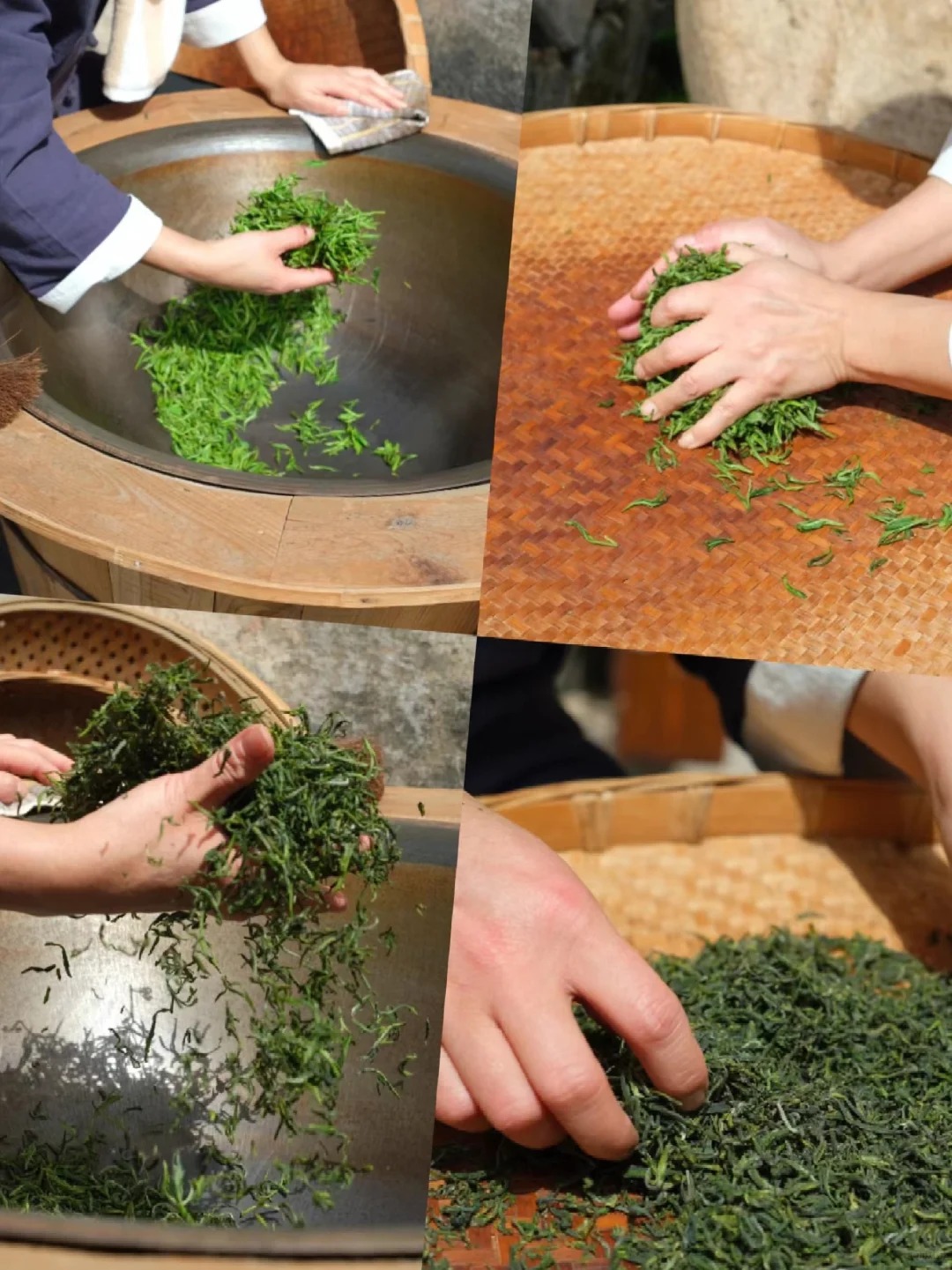
In the past, tea was rolled by hand, but due to advancements in technology, machines are now used. The rolling machine curls the withered leaves into strips and breaks the cell structure, allowing the tea juice to overflow. This enables the polyphenol oxidase and polyphenolic compounds inside the tea to come into contact and condense on the leaf surface. When brewed, these compounds dissolve in water, increasing the tea’s concentration.
- Machine Use: When using a rolling machine, the amount of leaves should be level with the rolling barrel’s surface. Too much or too little will affect the rolling quality.
Fourth Step: Fermentation
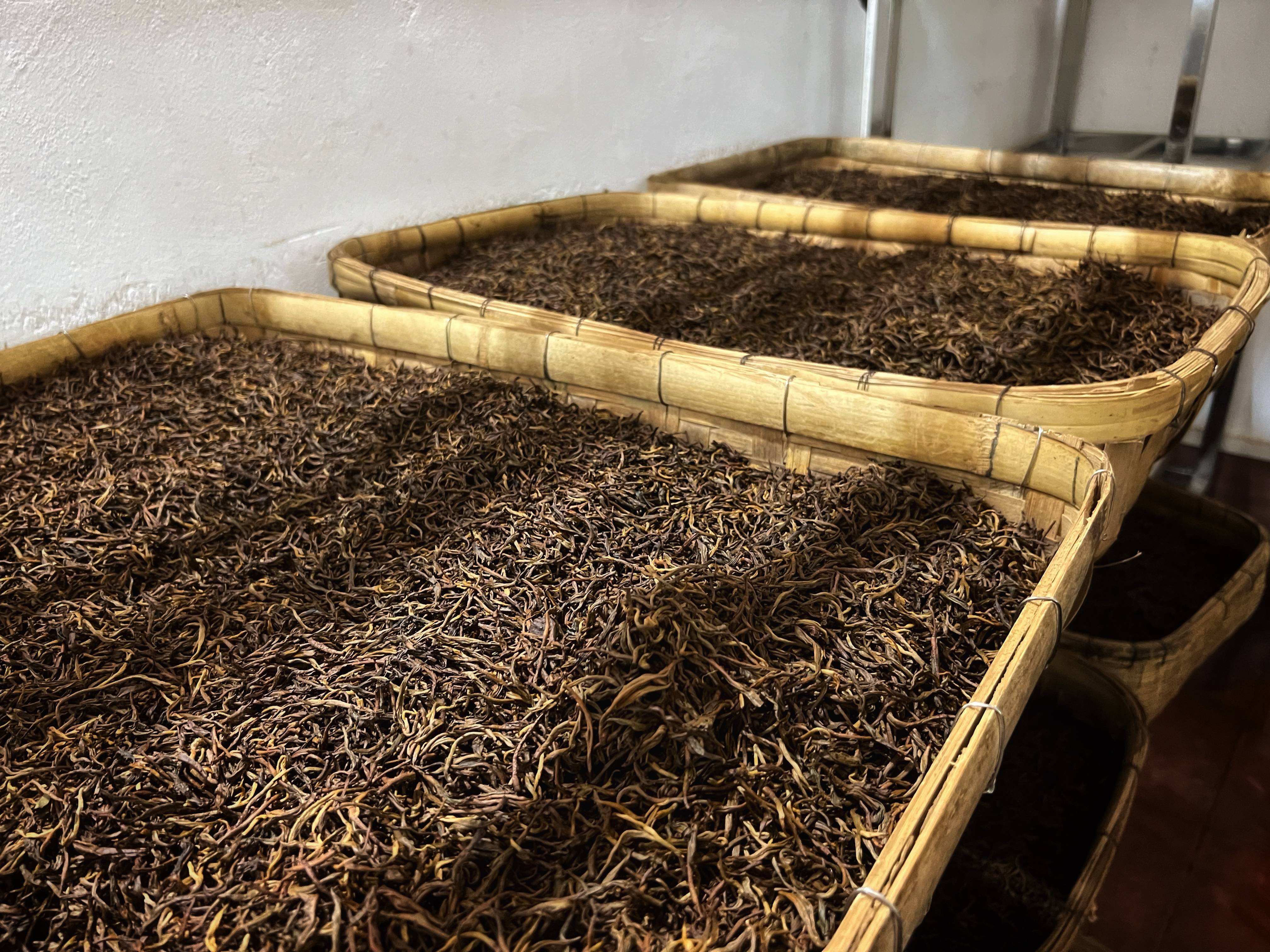
The main factors in tea fermentation are temperature, humidity, and oxygen supply.
Conditions
- Ideal room temperature: Controlled at 22–25°C
- Relative humidity: Above 90%
- Leaf spreading thickness: 8–10 cm
- Duration: Fermentation time is generally 10–12 hours after rolling is completed. Indicator of Completion: Fermentation is considered appropriate when the young leaves turn dark red, the green, astringent taste disappears, and a strong, sweet fragrance emerges.
Fifth Step: Baking
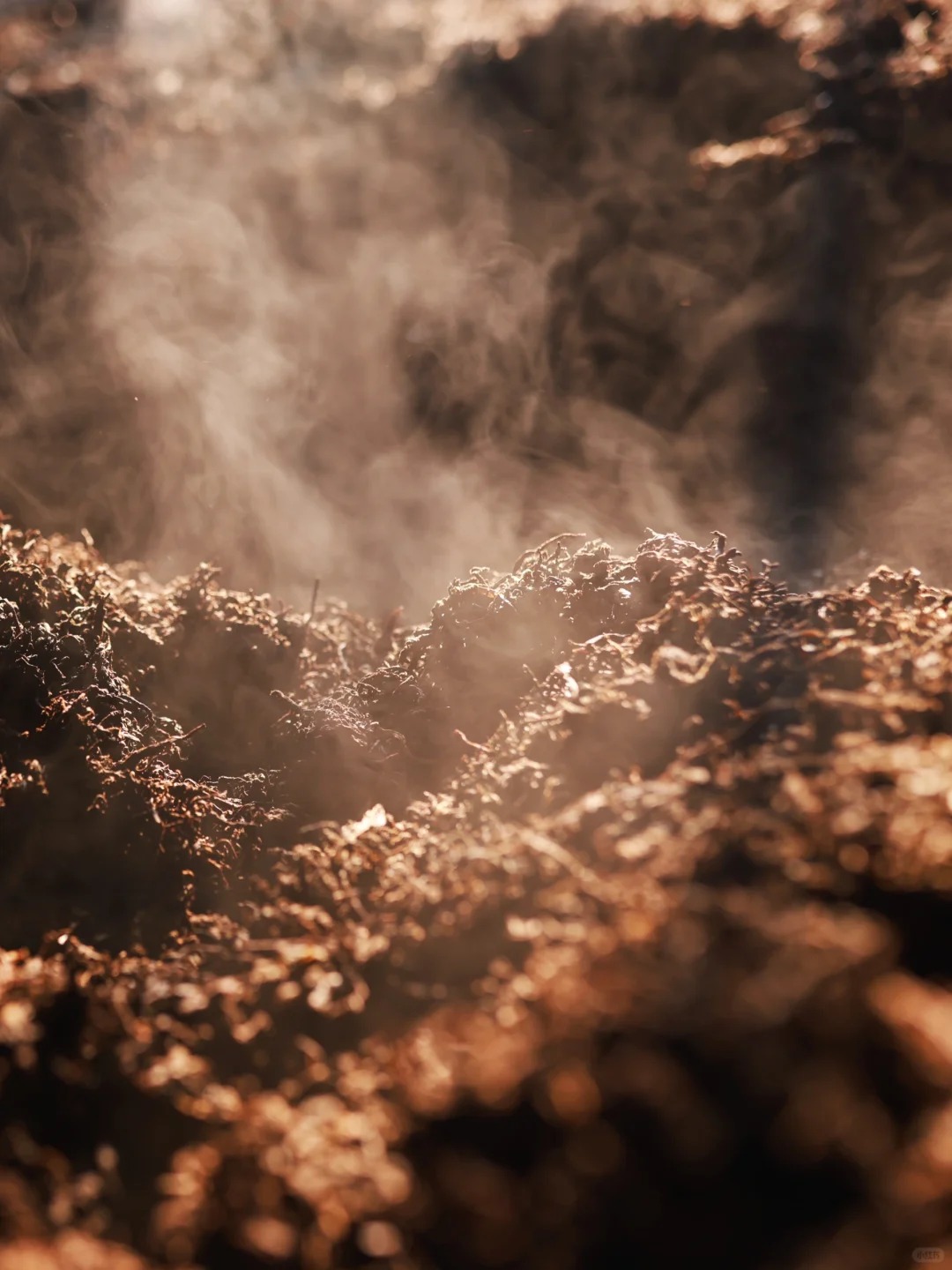
The fermented leaves are dried in two stages.
Mao Huo (Initial Drying):
- Principle: High temperature and quick drying
- Temperature: Controlled at 115–125°C
Zu Huo (Final Drying):
- Purpose: Redistributes moisture within the leaves to avoid the outside being dry while the inside remains wet.
- Spreading out: Should not be too thick, and the cooling time should not be too long to prevent adverse effects on quality.
- Principle: Low temperature and slow baking
- Temperature: Controlled at 100–110°C
- Final Product: The dried tea should have a moisture content of 4–5%, with a clear aroma and no smells of smoke, or burning.